When it comes to tree care, having reliable and efficient equipment really makes all the difference. I remember reading what John Smith from TreeMaster Equipment said—he’s pretty much an expert in the field—about how the right Chipper Trucks can totally change the game for a tree service crew. And honestly, it’s so true. In our line of work, the quality of your gear directly impacts how smoothly things go.
Chipper Trucks are pretty much a must-have for anyone in tree care. They’re built to handle the tough stuff—big branches, debris, you name it. These trucks come with powerful chippers that let you get rid of waste fast, saving time and effort. But here’s the thing—not all Chipper Trucks are the same. Some just don’t have the juice or the features needed for certain jobs, which can drive you nuts and slow you down.
Picking out the right Chipper Truck isn’t just about going for the biggest or most expensive one either. You gotta think about engine power, how much weight it can carry, and how easy it is to maneuver around tight spaces. Even small differences in specs can mean a whole lot—either your day goes smoothly, or you end up wasting time on frustrations. That’s why it’s so important to do your homework and make sure you’re choosing equipment that really matches what you need.
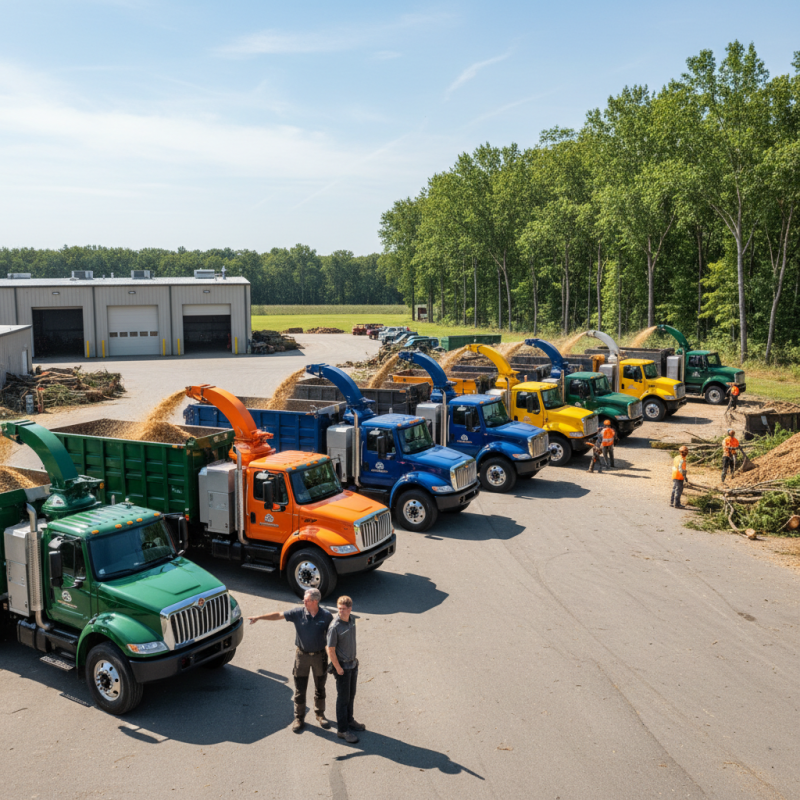
Overview of Chipper Trucks in Tree Care Industry
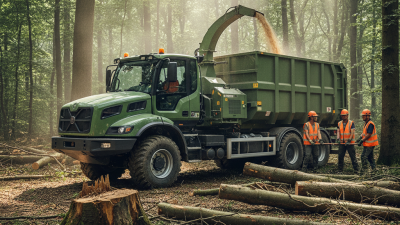
Chipper trucks play a crucial role in the tree care industry. These specialized vehicles transport and process tree waste efficiently. They make tree trimming and removal projects cleaner and faster. The convenience of having a chipper integrated into the truck maximizes productivity on job sites. It limits the need for additional equipment and reduces downtime.
Using chipper trucks requires skill. Operators must be trained to handle the machinery safely. Improper use can lead to accidents or equipment damage. Understanding the size and capacity of different chipper trucks is essential for effective operation. Not all trucks fit every tree care job. Experience shows that having the right truck can significantly impact project timing and cost.
Choosing the best chipper truck involves considering various factors. Weight, power, and chipper size should all be evaluated carefully. Some trucks handle larger branches better than others. Using a less suitable truck may lead to inefficient work and wasted resources. Therefore, tree care companies must weigh their options thoughtfully.
Key Features to Consider When Choosing a Chipper Truck
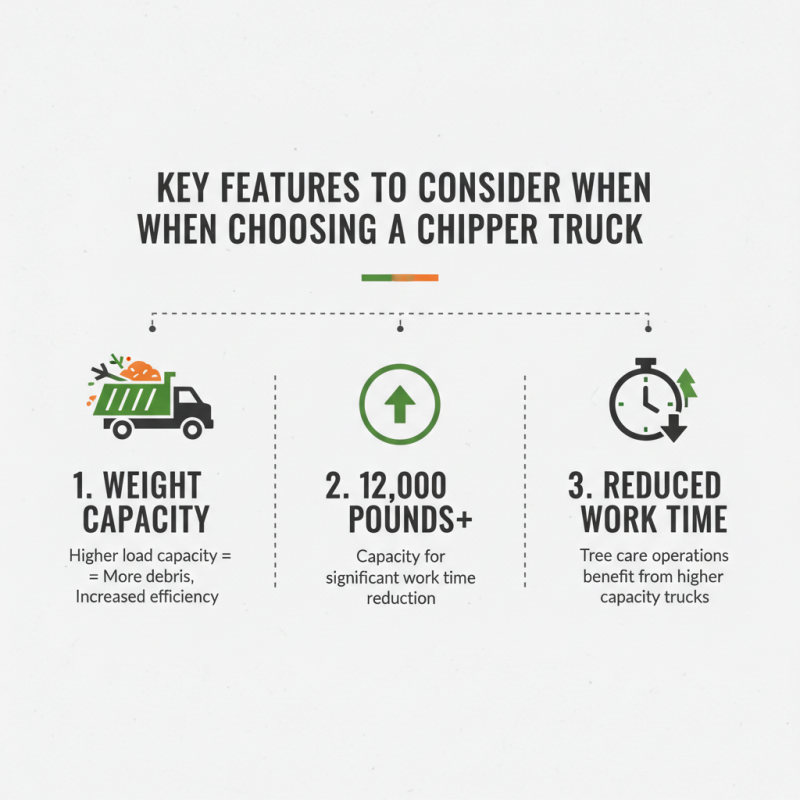
When selecting a chipper truck, it's vital to consider weight capacity. A truck with a higher load capacity can handle more debris, increasing efficiency. Reports indicate that trucks with a capacity of 12,000 pounds or more significantly reduce work time in tree care operations.
Engine power is another crucial factor. A robust engine enhances productivity. Chipper trucks with at least 200 horsepower are widely preferred in the industry. This power enables them to tackle tougher branches and reduce downtime. Additionally, an optimal chipper mechanism should efficiently process materials, ideally shredding branches up to 8 inches in diameter without hassle.
Safety features are often overlooked but should not be ignored. Trucks equipped with a reliable braking system and secure load containment can prevent accidents. Industry studies show that equipment malfunctions account for nearly 25% of workplace injuries. Thus, investing in a chipper truck with proven safety measures not only protects workers but also reinforces operational reliability. Professional operators should carefully evaluate these features before making a purchase to avoid costly mistakes in the long run.
Top 10 Chipper Trucks for Tree Care: An In-Depth Review
When it comes to tree care, selecting the right chipper truck is essential. According to a recent industry survey, nearly 70% of tree care professionals prefer trucks that offer both power and efficiency. The right chipper trucks not only enhance productivity but also ensure safety on the job site. Features like hydraulic feed systems and durable construction are critical for daily use.
Detailed studies show that trucks equipped with specialized chipper bodies typically reduce downtime by up to 30%. This efficiency allows tree care companies to tackle more jobs in less time. Many operators report improved fuel efficiency with advanced engine technology, contributing to lower operational costs. However, not all chipper trucks perform equally, and it can be challenging to find the perfect match for specific needs.
User reviews often highlight areas for improvement too. Some chipper trucks struggle with maneuverability in tight spaces. This is a drawback that arborists must consider, especially when working in urban settings. The diverse range of options can also lead to decision fatigue among buyers. It’s crucial to weigh the pros and cons. Ultimately, informed choices today lead to better tree care solutions tomorrow. For those searching for "Trucks Truck And More Trucks", the right selection can significantly impact success in the field.
Comparative Analysis of Performance and Efficiency
Selecting the right chipper truck can significantly enhance tree care efficiency. Industry reports indicate that an optimal chipper truck can reduce processing time by up to 30%. This efficiency is crucial for arborists aiming to manage large tree removal projects. Key metrics include engine power, operational range, and maintenance ease, which can directly impact performance.
Tips: Always examine fuel efficiency ratings. A truck that consumes less fuel can save costs over time.
Another important factor is the chipper's feed speed. According to the Arbor Day Foundation, trucks with a higher feed rate can process thicker branches more effectively. Additionally, noise reduction technology in trucks can create a more favorable work environment, boosting productivity.
Tips: Consider the truck's maneuverability in tight spaces. A compact design can be beneficial for urban areas.
While some high-performance models boast impressive statistics, the initial investment may hinder small businesses. It's vital to assess your specific needs and budget before making a decision. Reflect on whether the investment aligns with your long-term operational strategy.
Maintenance and Upkeep for Chipper Trucks
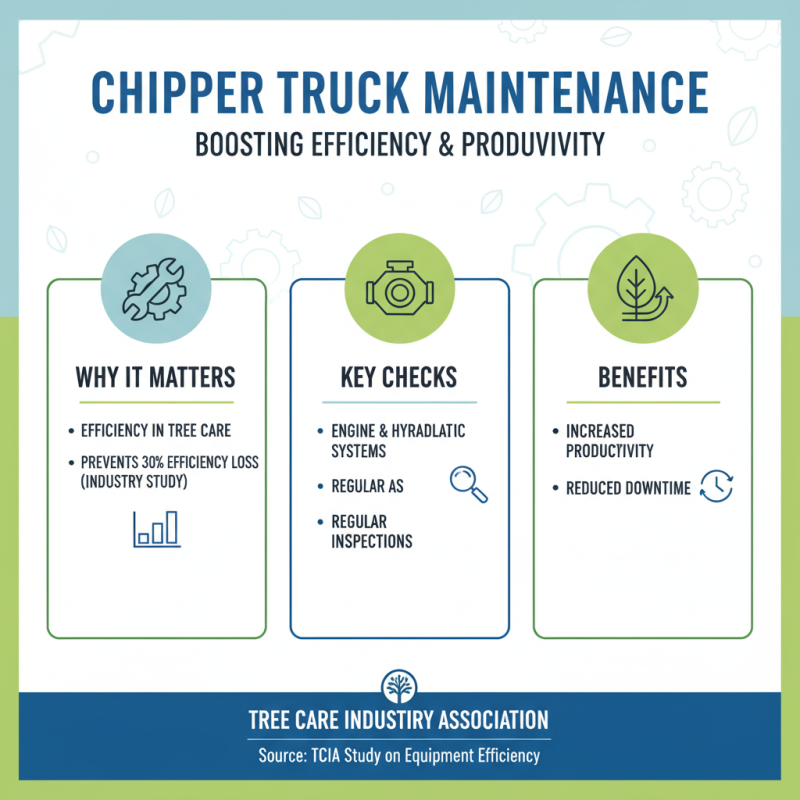
Maintaining chipper trucks is vital for their efficiency in tree care. Regular inspections should include checking the engine and hydraulic systems. A study from the Tree Care Industry Association indicates that inadequate maintenance can reduce chipper efficiency by up to 30%. This impacts productivity directly.
Proper lubrication of moving parts ensures longevity. Tracking oil changes is essential. Dirty oil can lead to mechanical failures, costing time and repairs. Experts recommend changing oil every 50 hours of operation. Additionally, sharpening knives and blades improves cutting efficiency significantly. An efficient chipper truck leads to safer jobsites and less time spent on maintenance.
Operators should also consider the condition of tires and brakes. Regularly checking tire pressure and tread can prevent accidents. It’s crucial to document all maintenance work. Maintaining records helps identify patterns and potential problems. Investing time in upkeep saves money long-term. Furthermore, it enhances the overall lifespan of the equipment, similar to other machinery, like Cat Haul Trucks. The benefits of diligence in maintenance cannot be overstated.
Cost-Benefit Analysis of Investing in a Chipper Truck
Investing in a chipper truck can offer significant long-term benefits for tree care specialists. The National Association of Landscape Professionals reports that such trucks enhance efficiency, reduce waste, and lower disposal costs. It’s essential to evaluate the cost-effectiveness of these vehicles. While the initial investment may seem high, the operational savings can offset this within a few years.
Chipper trucks significantly reduce labor costs. They streamline the tree care process, allowing crews to focus on more productive tasks. Studies have shown that companies utilizing chipper trucks can improve job completion rates by up to 30%. This translates to handling more clients and, ultimately, increased revenue.
Tip: Consider the lifespan of the equipment. While some models offer lower upfront costs, they may not last as long as others. Opting for more durable options can lead to better long-term savings.
Some may find the maintenance costs daunting. Regular upkeep of chipper trucks is crucial. Neglecting maintenance can lead to costly repairs, potentially outweighing the benefits.
Tip: Keep a maintenance log to monitor and plan for service needs, ensuring optimal performance.
Investing in chipper trucks is similar to the reliable use of Big Dump Trucks in the tree care industry. Both can significantly optimize operational efficiency and profit margins. However, it’s vital to analyze the specific needs of your business and weigh your equipment choices carefully.
Top 10 Chipper Trucks for Efficient Tree Care Solutions
This bar chart illustrates the cost-benefit analysis of investing in various chipper trucks, focusing on key metrics such as average price, horsepower, and efficiency ratings.
Future Trends in Chipper Truck Technology for Tree Care
As the tree care industry evolves, chipper truck technology is advancing rapidly. New models are now equipped with advanced safety features. These enhancements include improved visibility and automatic shutdown systems. Operators can work more safely in diverse environments. Innovations also focus on reducing emissions and increasing fuel efficiency. This shift aligns with growing environmental concerns.
The integration of smart technology is a game changer. Many newer chipper trucks come with GPS tracking and telematics systems. These systems monitor performance in real-time, offering insights into operational efficiency. However, with such complexity, operators may struggle to adapt fully. Training programs should be enhanced to ensure everyone can leverage these tools effectively.
Future trends hint at electric chipper trucks gaining traction. While appealing, they present charging infrastructure challenges. Adapting to this technology requires careful planning. The need for Large Tow Trucks may increase as electric vehicles have varying ranges. The discussion surrounding grid impact and sustainability continues to evolve. As the industry grows, reflection on these changes will be crucial for adapting to future needs.
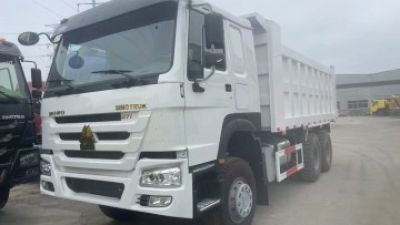
Insights on the 371HP Sinotruk HOWO Dump Trucks: Market Trends and Strategic Advantages in the Sino 6X4 Segment
The 371HP Sinotruk HOWO Dump Trucks are making significant strides in the Sino 6X4 segment, driven by evolving market trends that emphasize efficiency and versatility in heavy-duty transport. A recent market report indicates that the demand for advanced dump trucks has surged, with an anticipated annual growth rate of 5.1% over the next five years. This trend is largely attributed to the increasing need for construction and mining operations which necessitate robust and reliable vehicles.
One of the standout features of the 371HP model is its spacious cab, designed to enhance driver comfort during long hauls. The thoughtful architecture ensures minimal fatigue, encouraging better focus and safety. Additionally, the flat floor design in certain models leads to greater ease of movement for both the driver and passengers, facilitating a more ergonomic driving experience. Coupled with a multi-function steering wheel, automatic air conditioning, and customizable airbag shock-absorbing seats, these trucks are tailored to meet the dynamic needs of operators.
In terms of performance, the 371HP engine offers a strong power output and an impressive load capacity that stands out in the competitive landscape. Beyond engine performance, these trucks provide significant advantages in cargo box dimensions and wheelbase configurations, enabling them to adapt to diverse transportation requirements and challenging working conditions. Industry analyses indicate that trucks capable of unique adaptations are more suited to meet the specialized demands of the commercial sector, reinforcing the value of the Sinotruk HOWO models in today’s heavy-duty market.
FAQS
: Higher weight capacity allows handling more debris, improving efficiency. Aim for trucks with at least 12,000 pounds capacity.
A powerful engine enhances productivity. Trucks with 200 horsepower or more tackle tougher branches effectively.
Look for mechanisms that shred branches up to 8 inches in diameter. This efficiency is crucial for productivity.
Reliable brakes and secure load containment are essential. These features prevent accidents and improve safety for workers.
They streamline processes, decreasing labor costs and increasing job completion rates. Efficiency translates to more clients and revenue.
Yes, regular maintenance is crucial to avoid costly repairs. Neglect can outweigh the benefits of owning a chipper truck.
Keep a maintenance log to track service needs. This proactive approach ensures peak performance and longevity.
While initial costs may appear high, long-term operational savings can offset them over time. Weigh the benefits carefully.
Lower initial costs can be tempting. However, durable models often lead to better long-term savings and reliability.
Yes, efficient service improves job completion rates and can enhance client satisfaction, leading to repeat business.
Conclusion
Chipper trucks play a crucial role in the tree care industry by providing efficient solutions for tree maintenance and debris management. When selecting a chipper truck, it's important to consider key features such as engine power, capacity, maneuverability, and safety features. This article reviews the top 10 chipper trucks, highlighting their performance and efficiency, and includes a comparative analysis to help professionals make informed decisions.
Additionally, proper maintenance and upkeep are essential to prolong the life of chipper trucks and ensure optimal performance. A cost-benefit analysis reveals the long-term savings and productivity gains associated with investing in these vehicles. Looking ahead, the future trends in chipper truck technology promise advancements that will further enhance efficiency and utility in the tree care sector, making these machines indispensable for professional tree care services.