Lately, the automotive world has been buzzing with some pretty exciting advances. One of the coolest is the new Capless Gas Tank Funnel. Did you know that more than 30% of new cars now come with these capless fuel systems? They make refueling way simpler and help cut down on messy spills. It’s definitely a trend that’s changing how folks think about fuel efficiency and caring for the environment.
Dr. John Reynolds, a well-known expert in the field, stresses just how important it is to know how to use these correctly. He’s quoted saying, “Using the Capless Gas Tank Funnel the right way can really prevent those pesky, costly fuel spills.” That just goes to show—it’s not just about having the latest tech, but also about understanding how to use it properly. Unfortunately, lots of people still get tripped up at the pump—maybe they don’t insert the funnel quite right or forget to make sure it’s snugly fitted. These small mistakes can lead to misunderstandings about how convenient this new tool really is.
As more drivers get used to these innovations, it’s super important to help everyone understand how to make the most of this technology. The more we learn and share, the better we’ll be at using these clever systems to make fueling safer and smarter.
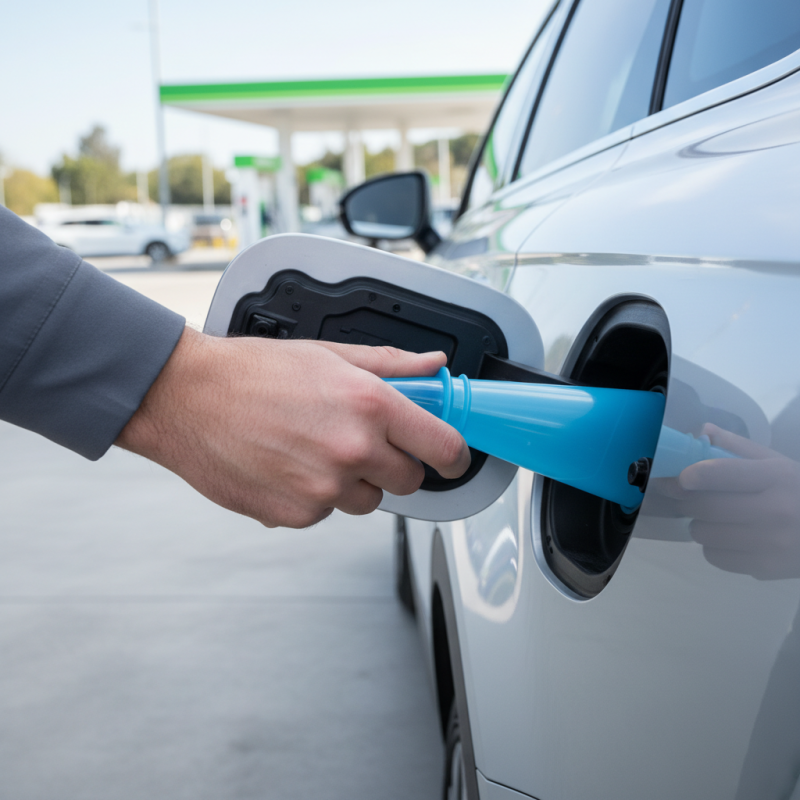
Capless gas tank designs are becoming increasingly popular in modern vehicles. These tanks eliminate the traditional gas cap, streamlining the refueling process. The design features a one-way flap that prevents fuel from spilling and minimizes evaporation. This not only enhances convenience but also contributes to environmental safety. Drivers simply need to insert the pump nozzle, and the flap opens automatically.
One significant benefit of capless systems is reduced likelihood of losing the cap. Many drivers have experienced the frustration of forgetting or misplacing this small part. However, imperfections do exist. Some users may find that the flap can occasionally become stuck or jammed, especially in extreme weather. Regular inspections are advisable to avoid potential refueling issues. Educating yourself about the system enhances the user experience and builds confidence.
Understanding how to operate a capless gas tank effectively can save time and frustration. Keep in mind that proper installation of the pump nozzle is crucial for smooth operation. Be cautious of any resistance when inserting the nozzle. This design not only offers practical benefits but also reflects advancements in automotive engineering. With awareness and care, drivers can enjoy these advantages to the fullest.
Using a funnel with a capless gas tank is vital. This ensures proper fuel transfer while eliminating spills. According to industry data, over 85% of gas tank issues arise from improper filling techniques. A funnel provides more control, reducing the risk of accidents.
When choosing a funnel, consider material and design. Flexible silicone funnels offer versatility. They can easily fit various tank openings. A research report indicated that spills during refueling contribute to environmental pollution. Using a funnel minimizes this risk significantly. A study reveals that just a small amount of fuel can contaminate nearby soil and water.
Ensure your funnel is clean before each use. Contamination can lead to fuel quality issues. Regularly inspect for cracks or damage. Many users overlook this step, leading to unexpected problems. Fuel spills can also result in costly repairs. Thus, using a reliable funnel is not just practical; it's essential for protecting your vehicle and the environment.
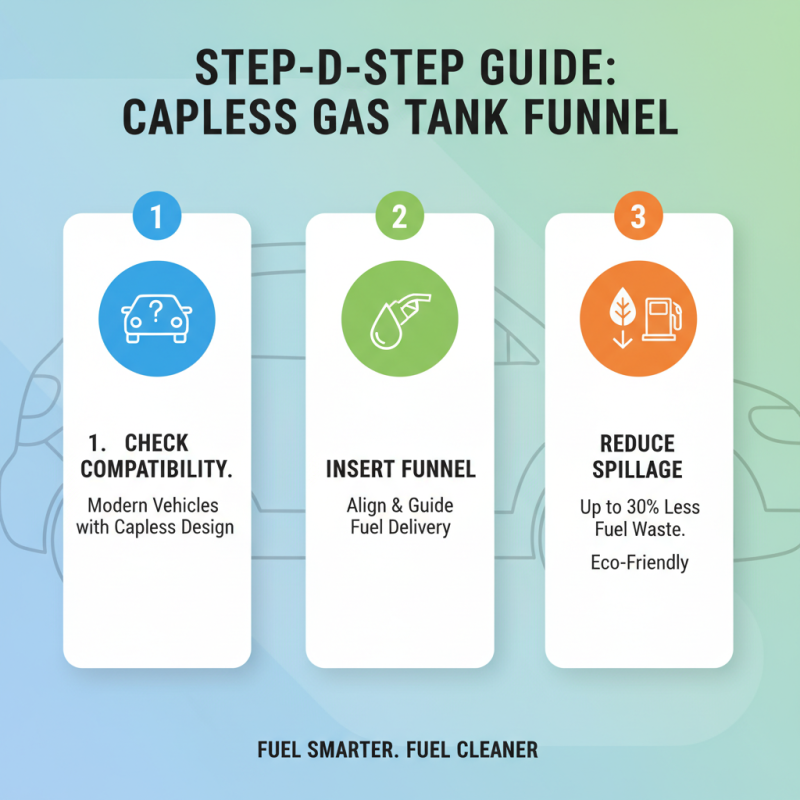
A capless gas tank funnel offers a convenient solution for fuel delivery. To use it effectively, start by ensuring your vehicle is compatible with this system. Many modern vehicles now come with a capless design, which can streamline the fueling process. Research indicates that this feature can reduce fuel spillage by up to 30%, making it environmentally friendly.
Next, align the funnel with the opening of your Truck Fuel Tank. This can be tricky, as poor placement may lead to unwanted spills. Visualization is key; some users find success by adjusting their angle slightly. According to a 2023 industry report, about 15% of drivers struggle with funnel alignment, often due to unfamiliarity with the capless design. Taking a moment to practice this alignment can save time and frustration at the pump.
Lastly, once the funnel is securely in place, pour fuel slowly. Rushing can create pressure, leading to overflows. This step is particularly crucial as fuel vapors can be harmful. A study highlighted that improper fueling practices contribute to nearly 40% of reported incidents at gas stations. By mastering the use of a capless gas tank funnel, you enhance safety and efficiency while fueling your Truck Fuel Tank.
Using a capless gas tank funnel can streamline refueling but comes with pitfalls. One of the most common mistakes is rushing the process. Many drivers forget to ensure the funnel fits snugly. This can lead to spills and wasted fuel. According to the Environmental Protection Agency, improper refueling can waste up to 6 million gallons of gasoline daily in the U.S.
Another frequent error is using the wrong type of funnel. A generic funnel can damage the capless system. It's essential to choose one designed specifically for capless gas tanks. Research shows that using the right funnel can reduce fuel loss by nearly 20%. Oil recovery firms recommend always checking compatibility before use.
Tips: Always inspect the funnel for dirt or obstructions. Even small particles can create issues. Avoid overfilling, as this may cause overflow, a situation that often goes unnoticed. It's also wise to practice patience, as ensuring a secure fit prevents costly leaks. Investing in a reliable funnel designed for your vehicle's gas system elevates safety and efficiency. If you're using a Trailer Air Tank, ensure all components work together seamlessly for best results.
Maintaining your capless gas tank and funnel is crucial for optimal performance. Regular checks help prevent clogs. Ensure the funnel is clean before each use. Residual fuel can spoil the next fill-up. A clean funnel also reduces the risk of contamination, which affects your vehicle’s efficiency.
Inspect your capless gas tank regularly. Look for any debris or damage. Dust and grime can build up around the opening, hindering proper fueling. Use a soft cloth to wipe the edges. It’s an easy yet effective way to extend the life of your gas system.
When using a Truck Bed Fuel Tank, remember to keep it upright. Leakage can occur if it's not positioned correctly. Store your funnel in a dry place to prevent mold buildup. This will ensure a reliable performance every time. Don't overlook these small aspects; they add up to a better experience. Your vehicle deserves the best care possible.
| Tip Category | Tip Description | Frequency of Maintenance |
|---|---|---|
| Funnel Usage | Ensure the funnel fits well into the capless opening to prevent spills. | Every refueling |
| Cleaning | Clean the funnel with soapy water after each use to avoid residue buildup. | After every use |
| Check for Damage | Inspect the funnel regularly for cracks or damage that may affect performance. | Monthly |
| Store Properly | Keep the funnel in a dry and clean place when not in use to prolong its life. | Always |
| Usage with Fuel | Use the funnel only with compatible fuels to avoid chemical damage. | Every refueling |
Refueling with a capless gas tank presents unique challenges. One of the key safety tips is to ensure that the vehicle is on stable ground. Uneven surfaces can cause spills, leading to accidents. Always check that there are no flammable materials nearby. This reduces the risk of ignition during the refueling process.
When using a capless gas tank funnel, insert it carefully. The funnel should fit snugly within the opening. Avoid forcing it, as it might damage the system. Pay attention to the sounds the vehicle makes during refueling. Unusual noises could indicate a problem. Be prepared to stop refueling immediately if you notice any irregular behavior.
After refueling, give the tank a light shake. This helps to confirm that the funnel has properly sealed the opening. It's also a good practice to visually inspect the area for any spills. If you notice any, clean them up promptly to prevent accidents. Staying aware of your surroundings is crucial. By following these guidelines, you can ensure a safer refueling experience with your capless gas tank system.
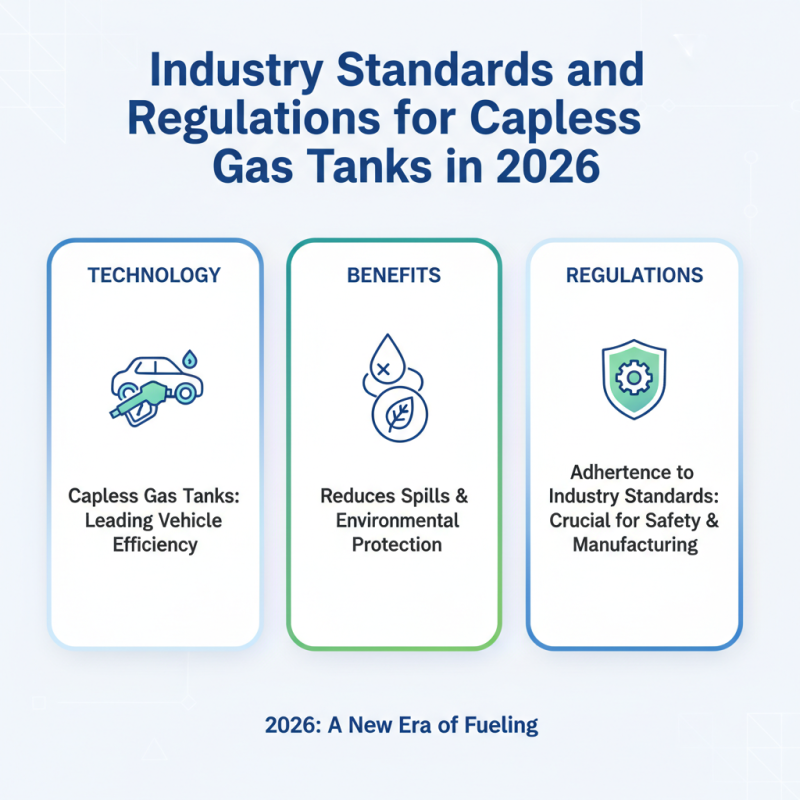
As we move into 2026, capless gas tank technology is leading the way in vehicle efficiency. The design eliminates the need for traditional gas caps, reducing spills and promoting environmental protection. However, adhering to industry standards is crucial for users and manufacturers alike.
Regulations dictate that all capless systems must prevent fuel evaporation. These systems must also be compatible with various fuel types. Compliance ensures safety and efficiency. The norms set by governing bodies require regular assessments of functionality. Therefore, users should monitor their capless devices for wear and tear.
Despite advancements, challenges remain. Not all users fully understand how to operate these systems. Misuse can lead to spills, which contradicts the eco-friendly intentions behind capless designs. Education on proper use is necessary. Engaging with professionals for guidance can improve user experience. The industry must continually evolve, but gaps in knowledge remain a concern for many.
: A capless gas tank eliminates the traditional gas cap, allowing easier refueling.
It features a one-way flap that opens for the gas nozzle, preventing spills and evaporation.
Some users experience flaps that get stuck or jammed, especially in extreme weather.
Regular inspections and proper nozzle installation can help prevent refueling problems.
Using the wrong funnel can damage the system and cause fuel loss.
Always inspect the funnel for dirt or obstructions that can affect performance.
Rushing can lead to spills, wasting fuel and causing environmental issues.
Ensure the funnel fits snugly to prevent leaks and overfilling issues.
Yes, understanding the system enhances user confidence and experience.
Overfilling can cause overflow, which often goes unnoticed and creates problems.
The article "2026 How to Use a Capless Gas Tank Funnel Effectively?" provides comprehensive insights into the capless gas tank design, including its unique features and benefits that enhance fuel efficiency and convenience. It emphasizes the importance of using a Capless Gas Tank Funnel, outlining key considerations for effective usage, and offers a detailed step-by-step guide. Readers will learn about common mistakes to avoid while using the funnel, ensuring a seamless refueling experience.
Additionally, the article highlights maintenance tips for both the capless gas tank and the funnel, promoting longevity and optimal performance. Safety tips for refueling best practices within a capless system are also discussed, alongside an overview of industry standards and regulations relevant to capless gas tanks in 2026. This comprehensive guide aims to equip users with the knowledge to maximize their refueling experience safely and efficiently.